Timeline:
2019-2021
Hats Worn:
UX Design
Design System Design
Project Management
Team:
1 Hybrid Designer
2 Product Owners
8 Developers
⚠️
Note: Some details have been adapted to respect confidentiality, but the case study reflects the real work and impact.
TL;DR / Quick summary
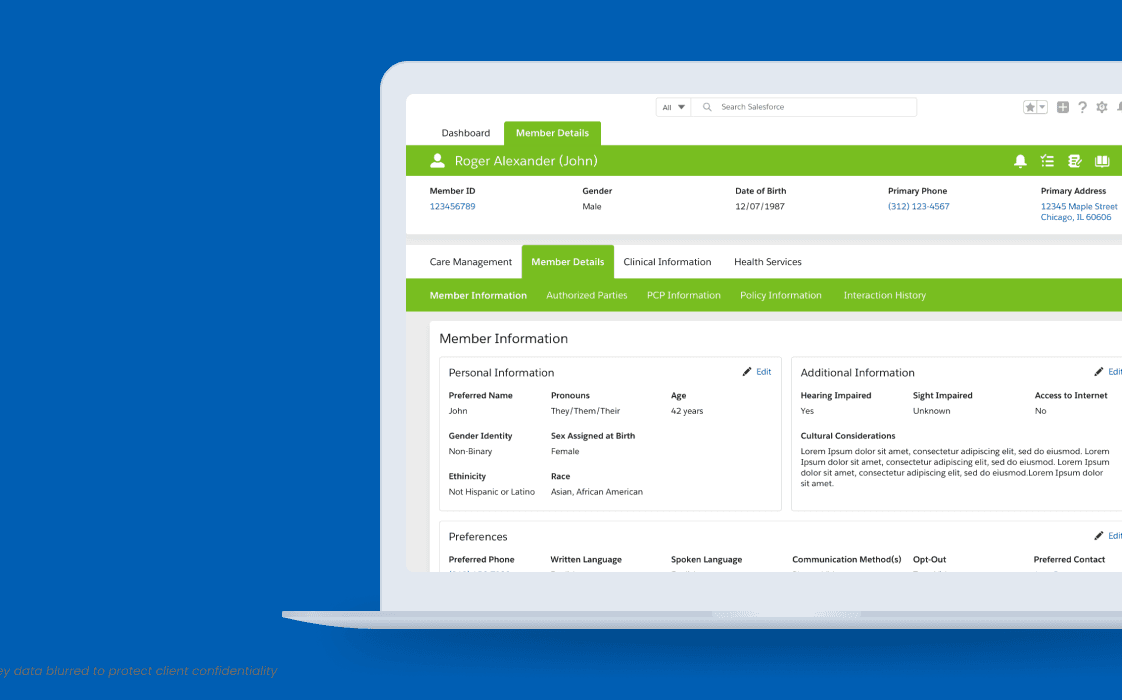
Humana’s care coordination relied on three siloed Salesforce platforms that fractured the experience for clinicians and members alike. I joined as a hybrid UX and UI designer and grew into the lead, owning the design system and shaping role-based workflows across clinicians, care managers, and members. Over 800 screens were unified into a single platform, the design system scaled to 130 teams, and the work contributed to more than $11M in growth while giving clinicians back time to focus on care.
DESIGN BY FRAGMENTATION
By 2019, Humana had grown into one of the largest health insurers in the US, serving millions of members and supporting thousands of care teams nationwide.
Its care coordination relied on three Salesforce-based platforms:
MedRec for medication reconciliation,
ECOM (Enterprise Clinical Operating Model) for eligibility and comprehensive patient views, and
Pharmacy for prescriptions and medication history
Each system was effective in isolation. ECOM aimed to give clinicians a full picture of patient history and lifestyle factors, MedRec focused on reconciling medications across sources, and Pharmacy managed prescribing workflows. But none of them worked seamlessly together. Interfaces differed, data was stored in silos, and critical details appeared inconsistently across platforms. Care teams spent time reconciling information manually, while members experienced fragmented and confusing journeys.
As Humana scaled, these cracks widened. What once worked as discrete solutions no longer kept pace with the complexity of modern healthcare.
The Challenge
ECOM was intended to be the central hub for care, but in reality it sat alongside MedRec and Pharmacy as just another platform. Clinicians still had to jump between systems to piece together a patient’s story, while members experienced the fallout through confusing coverage details and inconsistent care.
👉
The mandate was clear: merge MedRec and Pharmacy into ECOM, and transform them into one seamless, scalable system.
This meant more than stitching features together. It required unifying data models, redesigning clinical workflows, and creating a consistent interface that could flex across teams, roles, and use cases without adding complexity.
What members experienced
Ambiguity around insurance eligibility and coverage.
Rising medical costs without transparent explanations.
Fragmented experiences across touchpoints that weakened trust in their care journey.
What care teams experienced
No single source of truth for member data across clinical and administrative workflows.
Conflicting or duplicated information across MedRec, Pharmacy, and ECOM.
Inefficient context switching between platforms during care coordination.
Increased administrative burden that drove up support costs and pulled focus away from patient outcomes.
My Role
I joined as a hybrid UX and UI designer, embedded with Deloitte’s US-based team. I collaborated with researchers and information architects to shape workflows and surface user needs, while taking full ownership of the design system that became the backbone of the platform.
Over two years, my responsibilities grew as I:
Partnered with clinicians, care managers, and internal Humana teams to map real-world workflows and uncover systemic pain points.
Designed, built, and maintained the atomic design system, ensuring consistency across platforms, accelerating delivery, and enabling scalability.
Redefined care team and member-facing flows so that eligibility, coverage, and medication history surfaced in context with minimal friction.
Worked closely with product owners, Salesforce engineers, and clinical SMEs to validate feasibility and clinical accuracy.
Took on the role of lead designer, directing design strategy and onboarding new designers into the system.
I was responsible for establishing the visual and structural foundation of the platform and ensuring it could scale across Humana’s complex healthcare ecosystem.
Role-based
The first step was to recognise that care coordination isn’t one-size-fits-all. A Member, a Primary Care Provider (PCP), and a Care Manager (CM) all approach the same system with very different needs. Designing a unified platform meant building role-based workflows that adapted to context rather than forcing everyone into the same mould.
We mapped the four key roles in the ecosystem:
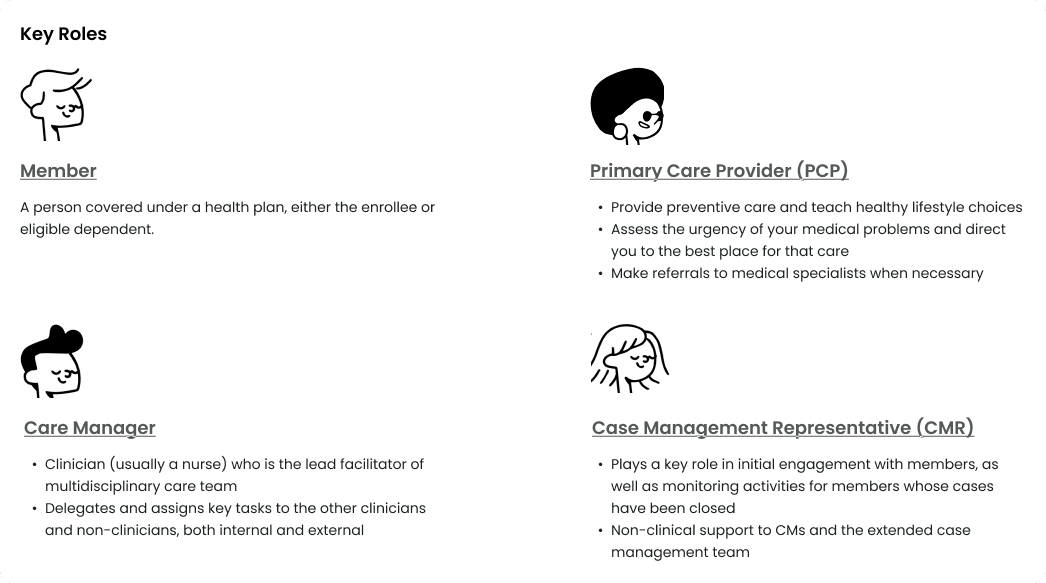
Each of the user groups we identified
Member – someone covered under a health plan, looking for clear, jargon-free answers about eligibility, coverage, and care.
Primary Care Provider (PCP) – responsible for preventive care, lifestyle guidance, and referrals, requiring quick access to a member’s full history.
Care Manager (CM) – often a nurse leading a multidisciplinary team, assigning tasks and coordinating care across clinicians and non-clinicians.
Care Management Representative (CMR) – the first line of engagement, responsible for outreach, enrolment, and ongoing monitoring, with a strong need for efficient data entry and follow-up tracking.
We treated these roles as living system archetypes. Each role had different permissions, different workflows, and different data priorities. Members needed clarity and reassurance, PCPs needed depth and accuracy, care managers needed coordination tools, and CMRs needed speed and structure for engagement.
This role-driven foundation shaped everything that followed: the information architecture, the design system, and even the way components were structured. Every card, dashboard, and flow was designed with role-based adaptability in mind, so the system flexed for its users rather than forcing them to flex around the system.
User Journey
Once we defined the four key roles, the next step was to understand how their workflows played out over time.
We began by mapping individual journeys for each role. These highlighted the specific friction points in their day-to-day work:
Members confused by coverage rules,
Care Managers juggling multiple systems to assign tasks,
PCPs struggling to surface the right vitals in time, and
CMRs slowed by inefficient enrolment workflows.
But healthcare isn’t experienced in isolation. These roles intersect constantly, and a fragmented view risked reinforcing the very problem we were trying to solve.
So we took the next step and created a shared, end-to-end care management journey, a common backbone that showed how responsibilities and data moved from enrolment to monitoring:
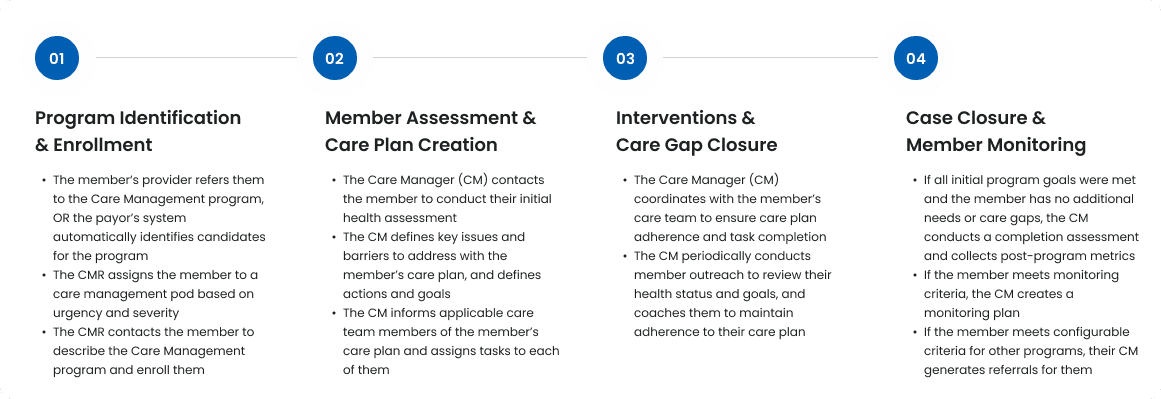
High-level overview of the shared user journey
This shared journey helped us identify critical handoff points where information was often lost, spot where duplication crept in across systems, and build a clearer picture of where design could reduce friction. It gave us a common language to work with clinicians, stakeholders, and product owners, while the individual journeys ensured we kept the nuance of each role intact.
👉
The result was a dual lens: role-based depth to capture individual needs, and a shared journey to align the system as a whole.
From Journeys to Components
The next step was to translate strategy into a scalable foundation. That foundation was the design system, the single most important asset in unifying three fragmented platforms into one cohesive ecosystem.
I owned the design system end-to-end, treating it as a product in itself rather than a static library. It became the backbone that every feature, workflow, and screen depended on.
Architecture and Adaptability
The system was structured on atomic design principles, tailored for healthcare workflows. From colour tokens and type scales through to reusable molecules and role-based layouts, every layer was designed to flex depending on context.
Medication cards showed simple dosage reminders for members but expanded into reconciliation histories for clinicians.
Care plans surfaced high-level tasks for managers but allowed PCPs to drill into assessments and vitals.
An “always-on” collapsible card gave instant access to critical patient data across the platform, cutting context switching.
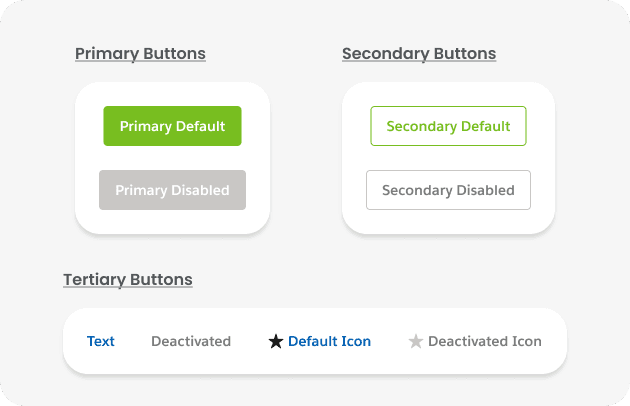
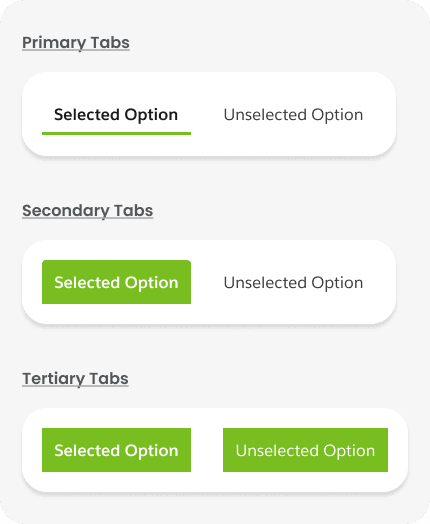
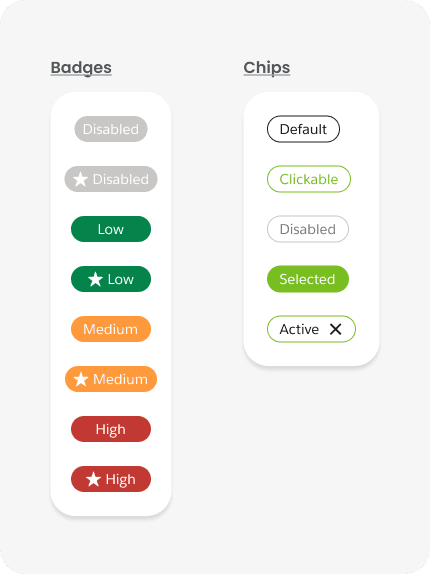
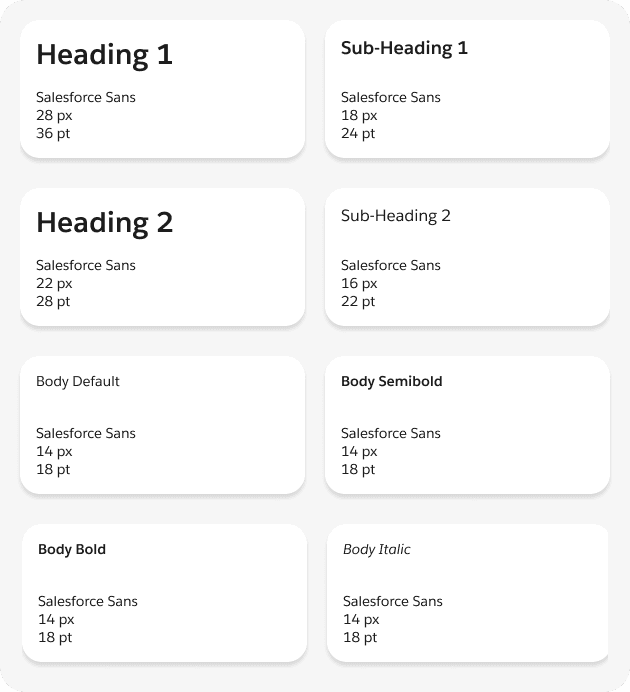

The tokens we created as part of our design system
Governance and Operations
A design system at this scale can easily collapse under its own weight if unmanaged. I built governance into its DNA:
Versioning and change management – updates were documented, reviewed, and released in sync with developer sprints to avoid breaking builds.
Documentation and guidelines – every component was paired with usage rules, rationale, and accessibility notes, so designers and engineers could apply them consistently.
Contribution model – new requests from product teams flowed through intake, audit, and review before entering the library, keeping the system lean and intentional.
Accessibility by design – colour tokens, contrast ratios, keyboard interactions, and ARIA labels were embedded into the component specs, ensuring compliance was not an afterthought.
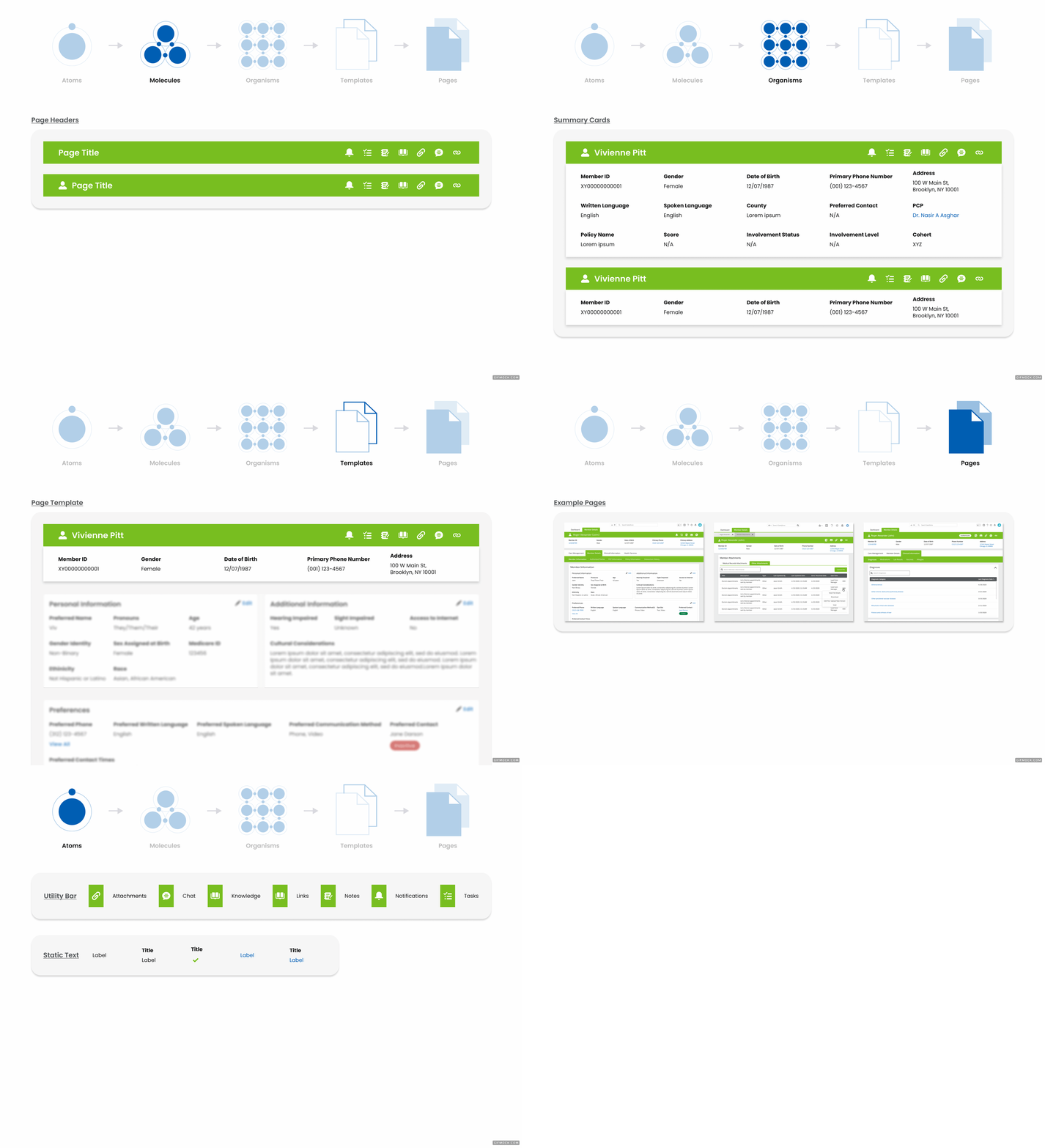
Our atomic design system in use
Collaboration and Leadership
Beyond design, I acted as the connective tissue between teams:
Partnered with engineers to map tokens directly into Salesforce and Health Cloud.
Led onboarding workshops for new designers to align on usage and prevent design drift.
Worked with product owners to align component evolution with roadmap priorities.
Over 800 screens delivered consistently from a single source of truth.
Features that previously took weeks could now be assembled in days.
The system accelerated delivery across 130+ distributed teams.
It supported an ecosystem that contributed to over $11M in revenue growth for Humana.
👌
The design system was the operating system for design at Humana, scalable, accessible, and capable of evolving as healthcare itself evolved.
Navigating Strategic Shifts
Large-scale projects rarely follow a straight line, and this one was no exception. Midway through delivery, two major shifts tested both our design system and our ability to adapt without losing momentum.
Transitioning from Sketch to Figma
When the project began, the team was working in Sketch. As Humana’s product suite expanded and more designers, engineers, and product owners got involved, the cracks showed:
Version conflicts slowed down delivery.
Inconsistent libraries created friction and rework.
Feedback loops across US and offshore teams lagged.
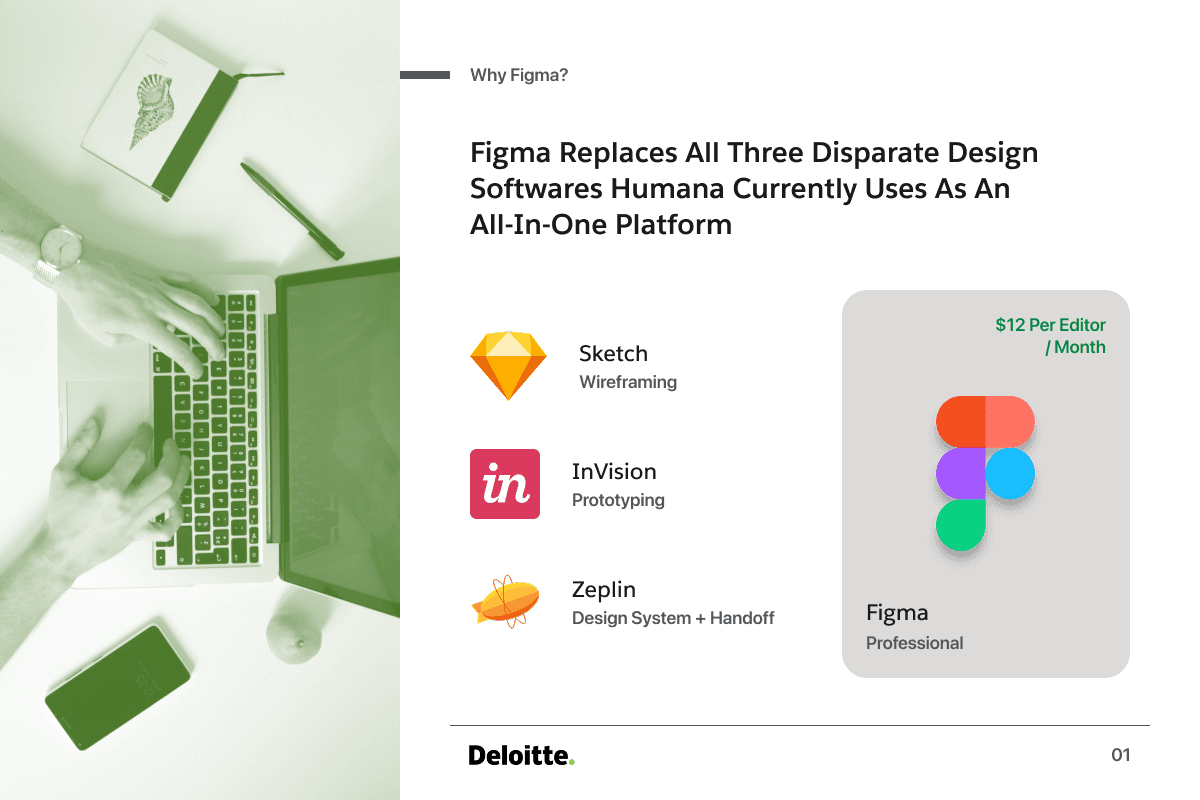
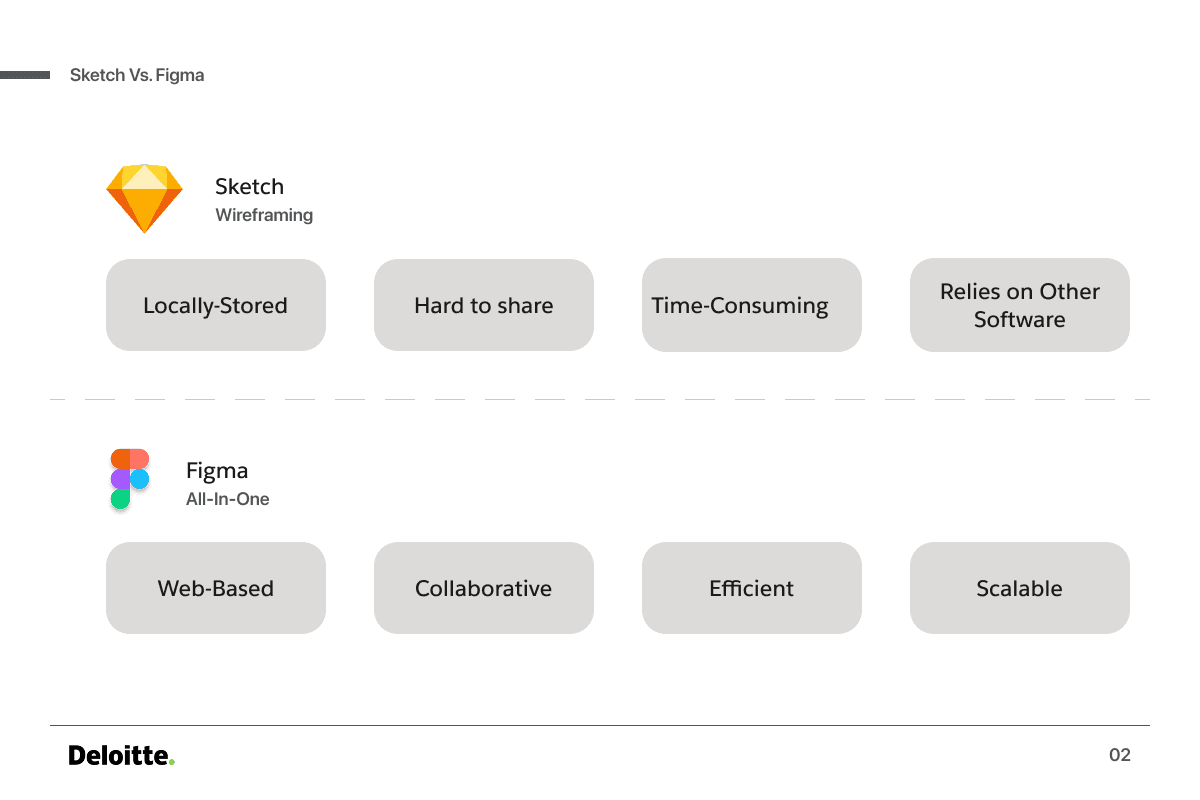
A snippet of the transition deck
👉
Moving to Figma meant rethinking how the system worked and how the team collaborated.
To make sure the transition didn’t disrupt delivery, I led the migration effort by:
Rebuilding the design system in Figma, complete with tokens, naming conventions, and accessibility baked in.
Auditing and consolidating components to eliminate duplication before migration.
Setting up shared libraries and permissions to support distributed, cross-functional teams.
Running onboarding workshops so designers and engineers could immediately leverage real-time collaboration.
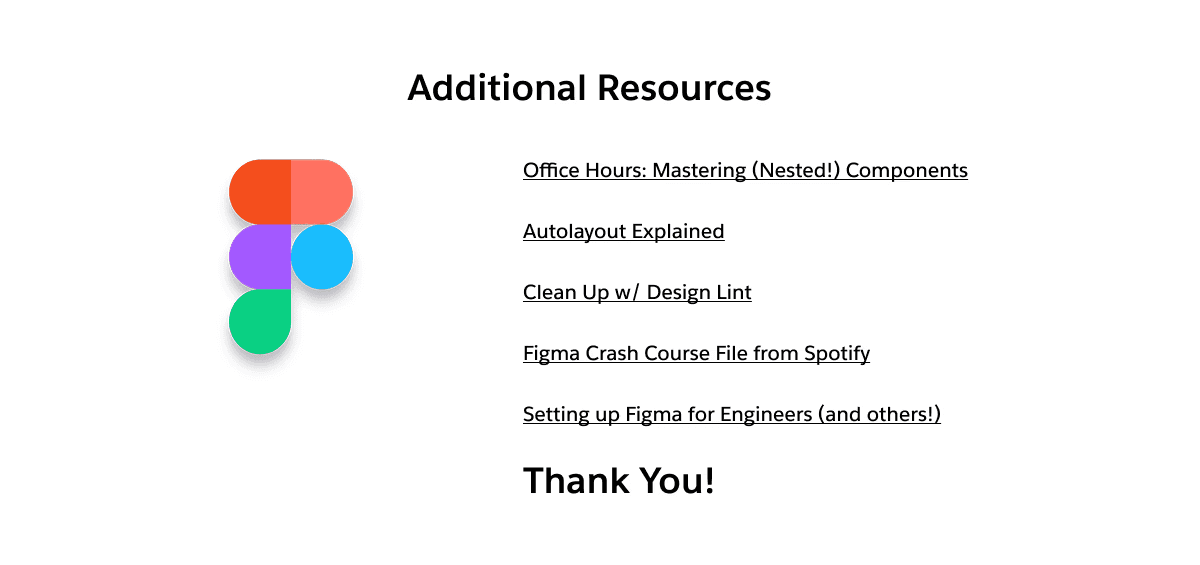
Sharing resources with the team to make this transition smoother
Almost overnight, collaboration became smoother, version conflicts disappeared, and the system finally felt ready to grow with us.
Screen Resolution Shift
Midway through, Salesforce implementation changes required a higher base resolution to support responsive layouts and accessibility standards. The catch was that more than 300 screens now needed to be rebuilt from the ground up.
To stop this from derailing delivery, I created a phased migration plan aligned with developer sprints. The goal was to keep engineering moving while tackling the backlog in manageable waves. This meant:
Screens in active build were redesigned first to keep engineering unblocked.
Backlog screens were prioritised by business-critical workflows and updated in waves.
The design system was adjusted so resolution updates cascaded automatically across components, minimising manual rework.
A detailed Asana tracker gave all stakeholders visibility into progress and sequencing.
By staging the work in this way, we prevented delivery bottlenecks and absorbed a massive structural change without derailing the roadmap.
Why it Mattered
These strategic shifts reinforced the value of the design system. Without modular architecture, governance, and clear planning, the project could easily have slipped months behind schedule. Instead, the system adapted, the team stayed on pace, and Humana gained a more resilient design foundation.
OUTCOMES
By the end of the project, three fragmented platforms — MedRec, Pharmacy, and ECOM — had been unified into a single, role-based care system. Clinicians no longer had to jump between tools, members could finally see their care in a clear and personalised way, and care managers worked within flows that supported their daily realities instead of fighting against them.
The results were measurable and meaningful:
The work contributed to over $11 million in revenue growth for Humana and improved efficiency across more than 130 teams.
The design system cut onboarding time for new designers by almost half, which meant teams could scale faster without slowing down delivery.
By consolidating and governing the library, we reduced duplicate components, giving developers and designers a much leaner set of tools to work with.
Because features could now be assembled from existing parts, delivery timelines shrank from weeks to days.
Persistent patient data also reduced context switching for clinicians, allowing them to spend more time focusing on care instead of systems.
This project showed me that designing at scale is never just about clean screens. It is about building systems, setting up governance, and creating processes that can withstand both growth and change. The design system became the foundation that held everything together, flexible enough to absorb unexpected transitions yet structured enough to keep us moving forward.
Personally, I grew in areas that go far beyond design. I learned how to treat a design system as a product in its own right. I gained experience leading teams through a major tool migration, from Sketch to Figma, without losing momentum. I learned to plan strategically under pressure, as with the resolution shift that required hundreds of screens to be reworked. And I found the balance between delivering what was needed immediately and setting up a system that could evolve for years to come.
In the end, this project was not just about merging software. It was about creating clarity where there had been confusion, building trust where there had been fragmentation, and giving clinicians, care managers, and patients the tools to focus on what matters most: care.
Hear it from them!
Easha has been extremely dedicated and focused throughout. Being a hybrid designer, she has delivered flawless designs on different projects. She has always extended help to other team members whenever we had tight deadlines to meet.
Amber Cox
Senior UX Designer at Humana